
 (754) 289-6645
 Call Us Now
 Email Us Now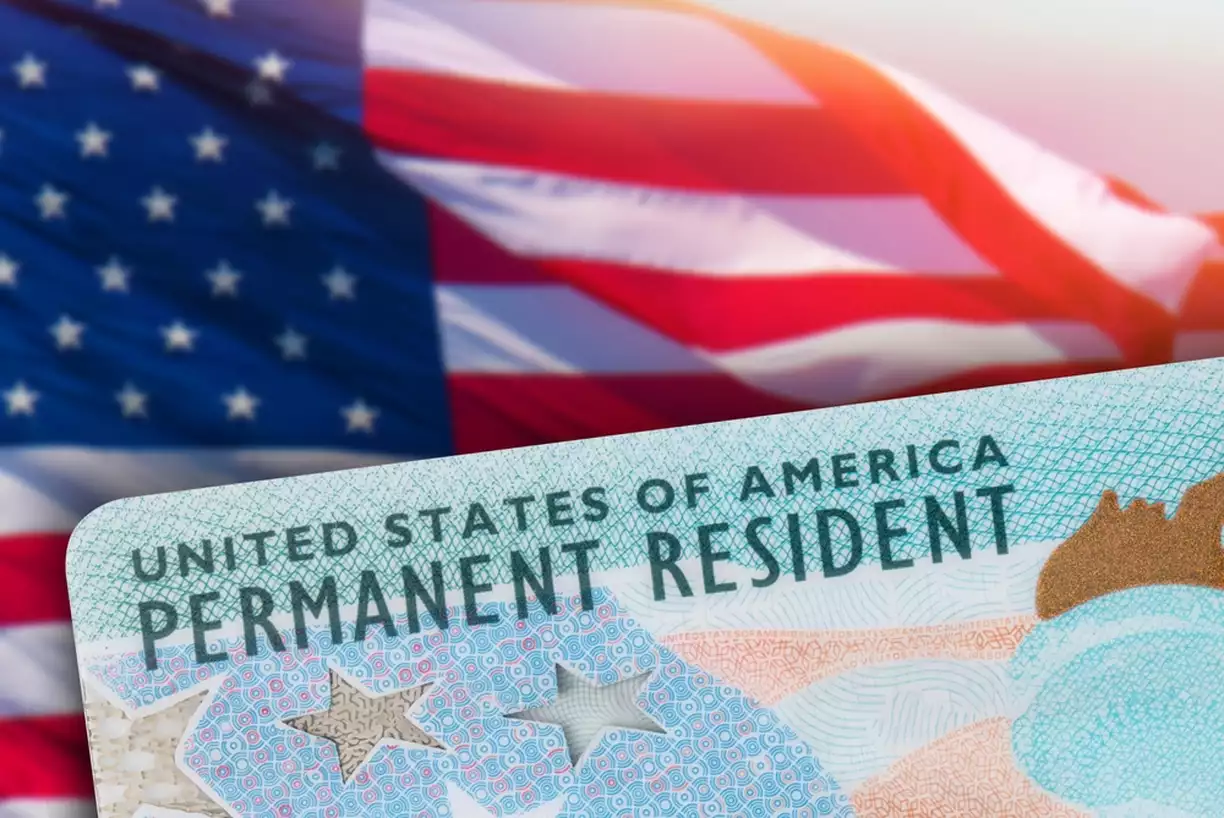
TL;DR: Considering the visa vs green card distinction can help you choose an immigration pathway that supports your reason for entering the United States and your long-term plans. This guide explains how the two options differ and what applicants should consider before applying.
- A visa allows a foreign national to travel to a U.S. port of entry and request admission for purposes such as tourism, study, business, or employment.
- A green card establishes lawful permanent resident status and generally provides broader employment flexibility.
- Visa conditions, authorized stays, travel rules, and renewal requirements vary by category.
- The right option depends on your eligibility, intended length of stay, work needs, travel plans, costs, and immigration goals.
- Applicants should verify current forms, fees, documentation requirements, and official instructions to reduce the risk of delays.
Choosing the right U.S. immigration path can feel overwhelming, especially when terms such as “visa” and “green card” are sometimes used interchangeably. However, each serves a different purpose and provides different rights, limitations and opportunities.
When comparing a green card vs visa, the primary distinction involves immigration status and the intended length of stay. A visa generally allows a foreign national to travel to a U.S. port of entry and request admission for a specific purpose, such as tourism, study or employment. A green card establishes lawful permanent resident status, allowing an individual to live and work permanently in the United States, provided they maintain that status.
If you have searched “green card vs visa: what’s the difference” and still been confused, it is also important to understand that several visa categories exist, including immigrant and nonimmigrant visas. The appropriate option depends on your eligibility, reason for entering the country and long-term goals.
This guide explains the major differences in work authorization, travel, residency, renewal requirements and application processes so you can better understand your options before applying.
What Is a Visa?
A visa is a travel document placed in a foreign national’s passport that allows them to travel to a U.S. port of entry and request admission. The visa category determines the permitted purpose of travel, such as tourism, business, study, temporary employment, or permanent immigration. However, receiving a visa does not guarantee entry. U.S. Customs and Border Protection makes the admission decision when a traveler arrives.
Understanding the relationship between a visa and green card is important before beginning an application. Nonimmigrant visas are generally intended for temporary stays and may limit how long a person can remain in the country or whether they can work. Immigrant visas, on the other hand, are issued to individuals seeking permanent residence and may lead to receiving a green card after admission.
Because each category has eligibility rules, documentation requirements, and restrictions, applicants should identify the visa that matches their purpose and goals.
What Is a Green Card?
A green card, officially known as a Permanent Resident Card, provides evidence that an individual is authorized to live and work permanently in the United States. Green card holders are considered lawful permanent residents, but they are not U.S. citizens. They must follow immigration laws, file tax returns, and maintain their permanent resident status.
Understanding the relationship between a visa and green card can help applicants choose an immigration path. While visas authorize travel for a purpose or limited period, a green card offers permanent residence. Some individuals first receive an immigrant visa and become permanent residents after entering the United States, while others apply for a green card from within the country through adjustment of status.
Eligibility may be based on family relationships, employment, humanitarian protections, or other categories. Because requirements vary, applicants should review their circumstances, pathway, required documentation, and responsibilities before beginning the green card application process.
Green Card vs. Visa: What’s the Difference?
The difference between green card and visa status involves the purpose, duration, and rights each provides. A visa generally allows a foreign national to travel to a U.S. port of entry and request admission for a reason. A green card, by comparison, establishes lawful permanent resident status.
When evaluating a green card vs work visa, employment flexibility is a consideration. Many work visas are tied to a specific employer, position, or authorized period of stay. Green card holders can generally work for any U.S. employer and remain in the country permanently, provided they maintain their status.
Travel and renewal requirements also differ. Visa holders must follow the conditions and expiration rules for their category. Green card holders have permanent residence, although their cards may require renewal and extended travel abroad can affect their status.
Which Option Is Right for Your Immigration Goals?
The right immigration option depends on why you want to enter the United States, how long you plan to stay, and whether you meet the requirements for a category. A visa may be appropriate for goals such as tourism, education, business travel, or employment. A green card may better support individuals who qualify for and intend to establish permanent residence.
When comparing a green card vs work visa, consider more than the length of your stay. Work visas may be connected to a specific employer, occupation, or authorized period, while permanent residents generally have employment flexibility. However, qualifying for a green card often involves an established relationship or another recognized pathway.
The visa vs green card decision should also account for travel needs, application timelines, costs, and long-term plans. Because eligibility depends on individual circumstances, applicants should review each option before submitting forms or supporting documents.
Preparing for the Application Process
Preparing in advance can make the immigration application process easier to understand and help prevent avoidable delays. Requirements for a visa and green card vary by category, so applicants should first confirm their eligibility and identify the correct forms, filing location, fees, and supporting documents.
Documentation may include a valid passport, birth certificate, financial records, employment information, photographs, or evidence of a qualifying family relationship. Depending on the application, the process may also involve biometrics, a medical examination, background checks, or an interview. Documents written in another language may require a certified English translation.
Before submitting an application, review every answer for accuracy and make sure all required signatures, evidence, and fees are included. Applicants should keep copies of their materials and monitor requests or appointment notices. Because immigration rules and filing requirements can change, verify current instructions through official government sources or consult a qualified immigration professional for guidance.
Take the Next Step Toward Your Immigration Goals
Understanding the difference between a green card and a visa can help you approach the application process with greater clarity. The right option depends on your reason for entering the United States, how long you plan to stay, your eligibility, and your long-term immigration goals.
Because every immigration journey is different, it is important to explore the requirements and responsibilities connected to each pathway before applying. Help US Visa can help you better understand temporary visa options and find solutions that align with your travel, employment, education, or business needs.